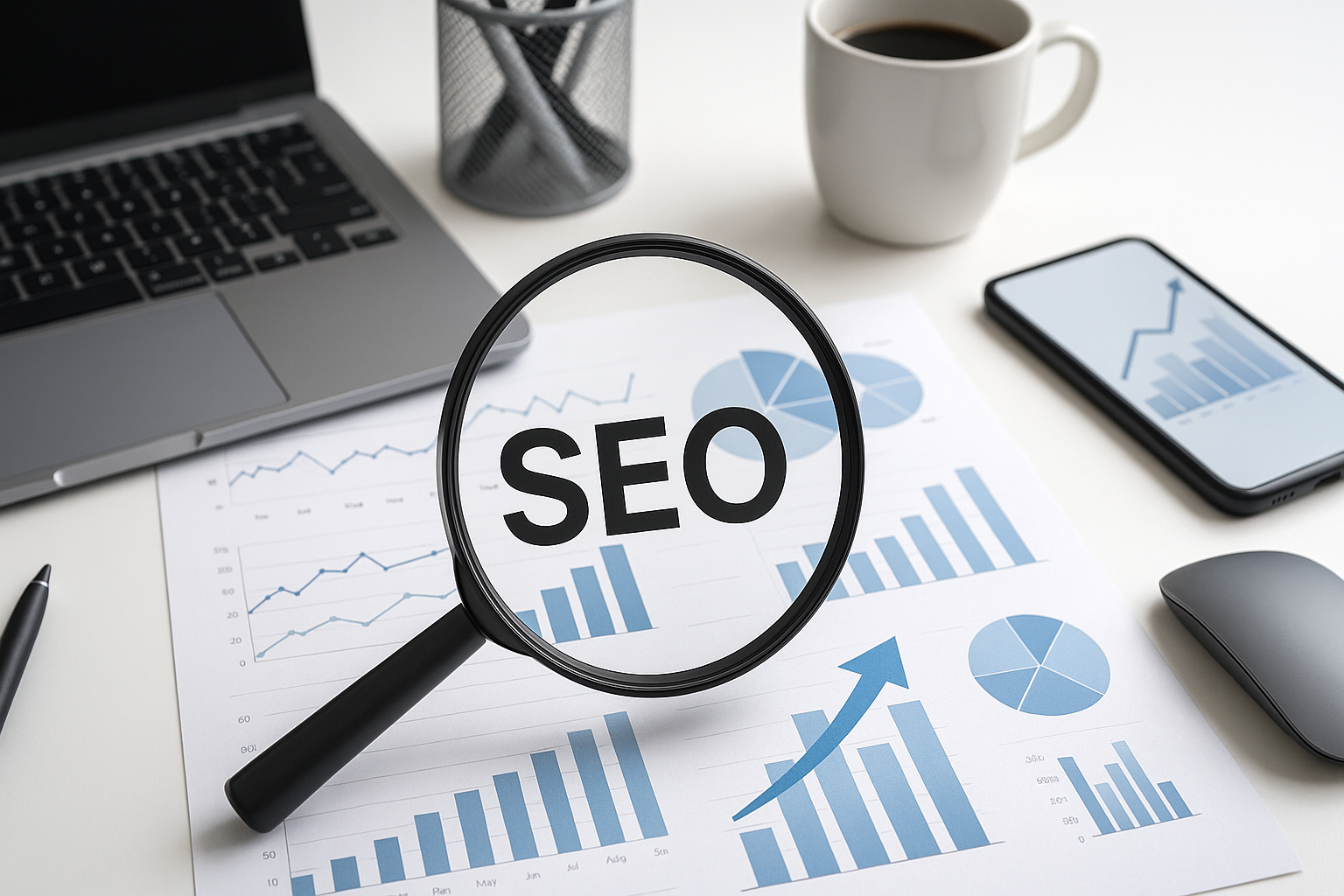
The Fundamental Shift: From Rankings to AI Citations
The search landscape has undergone a seismic transformation. Where digital agencies once obsessed over ranking positions in Google's top ten results, the real estate that matters most now exists within AI-generated answers. AI Overviews now appear in approximately 48% of Google searches, fundamentally altering how visibility is achieved and measured. This shift represents the most significant change in search optimization since Google's algorithm updates of the early 2010s.
The economics of this change are stark. Organic click-through rates have declined 58% on searches that trigger AI Overviews, according to recent industry analysis. Simultaneously, zero-click searches now account for nearly 60% of all Google searches, with that number continuing to climb. For digital agencies, this means the traditional playbook—optimize keywords, build backlinks, rank higher—no longer guarantees traffic or conversions. Instead, agencies must ensure their clients appear as cited sources within AI-generated responses on platforms like ChatGPT, Perplexity, and Google AI Mode.
SEO is no longer just about clicks. It's about presence across search ecosystems.
Answer Engine Optimization: The New Strategic Imperative
Answer Engine Optimization (AEO) has emerged as the critical discipline for 2026. Unlike traditional SEO, which focuses on keyword targeting and ranking position, AEO prioritizes how content is understood, extracted, and cited by AI systems. Agencies implementing comprehensive AEO strategies report 920% average lift in AI-driven traffic compared with those relying solely on traditional SEO methods. This dramatic difference reflects the speed at which AI is reshaping search behavior.
Effective AEO requires a fundamental rethinking of content architecture. Conversational, question-based keywords now take precedence, with structured data, FAQs, and comparison tables becoming essential formats. Rather than long-form articles optimized for featured snippets, agencies must create content that AI systems can easily parse, contextualize, and synthesize. This means shorter, more focused content that directly answers specific user intents. Agencies that delay AEO implementation face increasingly difficult competitive positioning, as early movers establish citation patterns and entity authority that AI models develop preferences for over time.
Building Authority Through E-E-A-T and Multi-Platform Presence
In the AI-driven search era, Experience, Expertise, Authoritativeness, and Trustworthiness (E-E-A-T) signals have become more critical than ever. However, E-E-A-T now extends beyond traditional on-page optimization. Agencies must build brand authority across multiple platforms simultaneously—YouTube, TikTok, Reddit, Amazon, and Instagram—ensuring consistent messaging and positioning. This multi-platform approach signals to AI systems that a brand possesses genuine authority and trustworthiness across diverse contexts.
Concurrent with this multi-platform strategy, agencies are leveraging PR, influencer partnerships, and social campaigns to increase branded search volume. Building brand search volume signals demand to Google for non-branded queries, creating a virtuous cycle where increased brand recognition drives higher rankings for competitive keywords. Strong backlinks, site hygiene, and technical SEO remain foundational, but they now serve as supporting infrastructure for a more holistic authority-building strategy. The agencies winning in 2026 combine traditional SEO foundations with newer disciplines like Generative Engine Optimization (GEO), which focuses specifically on how AI systems extract and cite content.
Brands implementing comprehensive answer engine optimization now establish structural advantages that compound over time.
Zero-Click Optimization and Intent-Driven Architecture
As AI summaries reduce click-through rates, agencies are fundamentally rethinking website architecture and user experience design. Hyper-local SEO through Google Business Profiles and location-specific reviews has become increasingly important for capturing intent-driven traffic. Rather than hoping users click through to websites, agencies are optimizing the experience users have directly within search results—ensuring their clients' information is accurate, complete, and prominently featured in local discovery channels.
This shift toward zero-click optimization represents both challenge and opportunity. While lower click-through rates initially alarmed the industry, forward-thinking agencies recognized that zero-click results present branding opportunities. When an AI system cites a brand's content or includes their information in a synthesized answer, that brand achieves visibility without requiring a click. This visibility builds authority and trust, creating downstream benefits for other queries and channels. Agencies are now measuring success not just through clicks and impressions, but through citation frequency, context quality, and source authority across the entire web ecosystem.
Measurement and Competitive Advantage in the AI Era
The emergence of AI-driven search has created new measurement challenges and opportunities. Traditional metrics like keyword rankings and organic traffic no longer tell the complete story. Leading agencies now track citation frequency within AI-generated answers, monitor which sources AI systems prefer for specific query types, and measure brand visibility across multiple search platforms. This expanded measurement framework requires new tools and analytical capabilities, but it provides competitive advantages for agencies that master it.
The competitive window for establishing AI search dominance is narrowing rapidly. Brands that implement comprehensive AEO and GEO strategies now establish structural advantages that compound over time. Citation authority builds upon itself, entity clarity improves with consistent signaling, and source credibility increases as AI models develop preference patterns. For digital agencies, this means the strategic imperative is clear: clients that delay adaptation to AI-driven search face an increasingly difficult competitive climb, while early movers establish market leadership that will persist for years. The agencies winning in 2026 are those that combine classical SEO fundamentals with advanced AI optimization strategies, ensuring their clients maintain visibility across the entire search ecosystem.