Brand Identity Is Becoming an Operating System
In 2026, the strongest brands are no longer designed as static assets. They are built as adaptive systems that can move across websites, mobile apps, product interfaces, social content, video, packaging, and AI-generated touchpoints without losing clarity. For founders and agencies, that changes the brief entirely. You are no longer delivering a logo and a color palette. You are building a brand architecture that can survive launches, pivots, and platform changes.
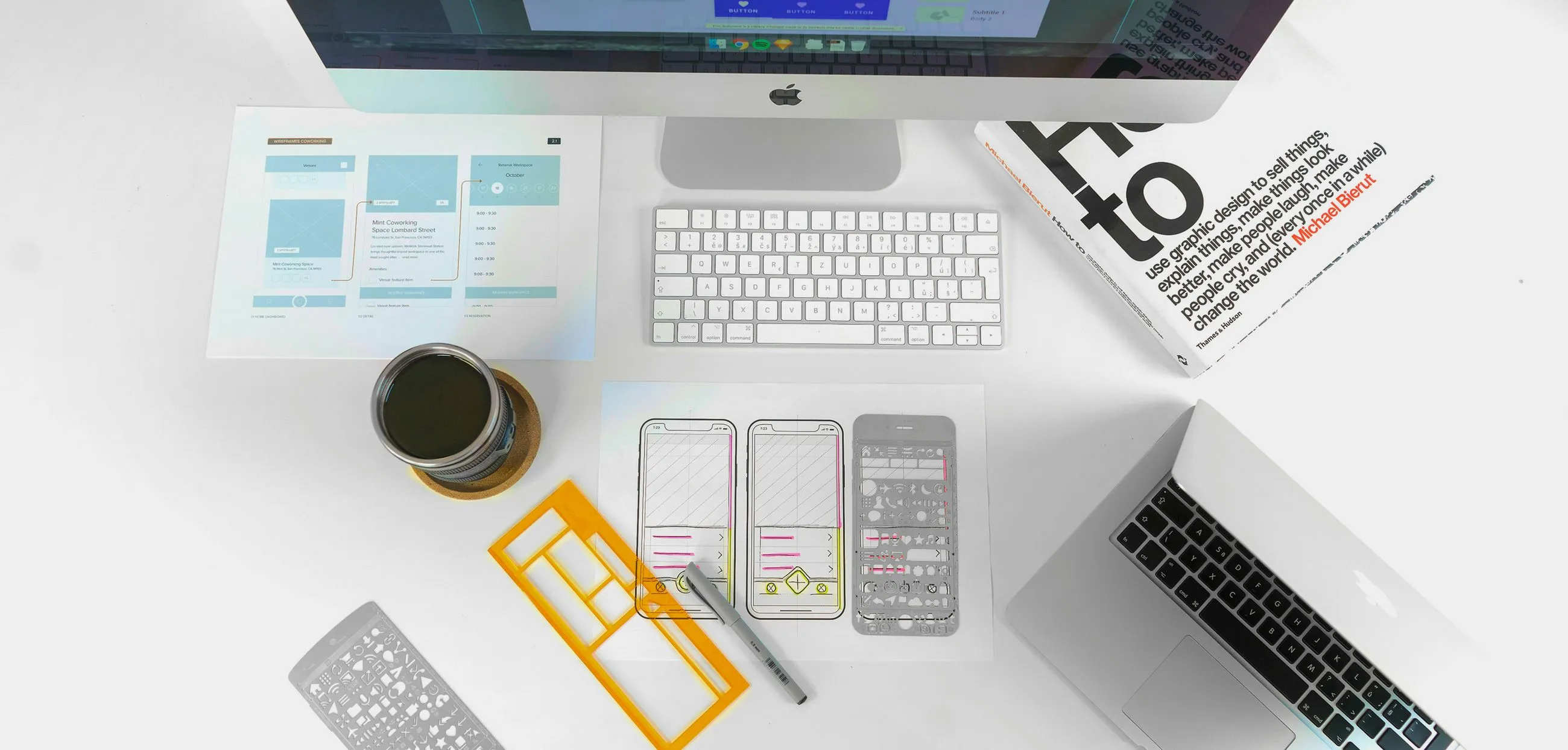
This is why modern identity work increasingly looks like product design. Teams are using Figma for modular brand libraries, Framer or Webflow to translate identity into live experiences, and Frontify or Zeroheight to keep systems governed. The goal is not just visual consistency. The goal is operational clarity: everyone from the founder to the marketing lead to the developer can apply the brand correctly, quickly, and at scale. That is where brand becomes leverage.
For SaaS and tech businesses, this shift unlocks a new commercial model. Instead of one-off identity projects, agencies can offer ongoing brand system retainers that support product releases, campaign refreshes, and expansion into new markets. In other words, brand identity is moving from a deliverable to a durable asset.
In 2026, the best brands do not just look consistent. They are designed to remain consistent under pressure.
AI Accelerates Creation, but Taste Still Wins
AI has become part of the creative pipeline, but not the creative strategy. That distinction matters. Tools like Midjourney can rapidly generate mood boards, Adobe Firefly can produce brand-safe assets, and ChatGPT or Claude can speed up naming, messaging, and narrative exploration. But none of those tools can replace the judgment that turns raw output into a brand people trust.
The winning workflow is AI-augmented creative direction. Use AI to explore more options, compress production time, and move faster from concept to presentation. Then use a human creative lead to define the boundaries: what is on-brand, what is too generic, what feels distinctive, and what will still make sense six months after launch. That’s where agencies create real value. Not by promising AI design, but by using AI to increase velocity without sacrificing coherence.
This is especially relevant for startups operating with lean teams. A founder using Cursor AI and Next.js can ship product quickly, but brand still needs deliberate direction. The same applies to campaign visuals, launch decks, and landing pages. AI can generate volume. Human taste turns that volume into a point of view. That combination is becoming one of the strongest competitive advantages in digital branding.
Authenticity Is Now a Visual Strategy
In a market flooded with polished templates and synthetic content, authenticity has become a design requirement. Audiences can spot generic branding instantly. They can also sense when a brand is trying too hard to appear innovative without offering anything real. That means identity systems in 2026 must communicate credibility, utility, and intent as clearly as they communicate style.
The practical implications are straightforward. Use more editorial, product-realistic, or founder-led imagery. Avoid overprocessed visuals that feel disconnected from the actual experience. Make sure typography, color, and motion reflect the business truthfully, not just aesthetically. For example, a fintech brand may benefit from precise typography and restrained motion, while a developer tool might lean into sharp contrast, technical clarity, and interface-inspired layouts. The brand should feel like the product it represents.
This is where trust is built. Accessibility, inclusive color choices, readable type scales, and consistent hierarchy are not minor details. They are part of the brand promise. Agencies that position identity work as brand trust architecture will have a stronger story to tell, especially when working with SaaS, AI, and platform businesses that depend on credibility at first glance.
Distinctive Simplicity Is the New Minimalism
Minimalism is still present, but the old version of minimalism is fading. In 2026, the most effective logos and identity systems are simple, but not generic. They are distinctively simple, meaning they combine restraint with a memorable detail: a custom letterform, a responsive mark, a geometric logic, or a typographic signature that makes the brand instantly ownable.
For digital products, this matters everywhere. A brand may need a full logo for desktop, a condensed version for mobile, an icon-only mark for the app, and a motion treatment for onboarding or launch videos. That is why teams are using tools like Illustrator for vector precision, Glyphs or FontLab for custom wordmarks, and structured export workflows for asset delivery. Good identity systems are no longer just pretty. They are engineered.
Think of this as the intersection of design and software thinking. A great visual system should behave like clean code: reusable, predictable, and adaptable across contexts. For agencies, that means building identity packages that include logo suites, icon sets, motion rules, and usage logic. For founders, it means choosing a brand that can scale without redesigning every quarter. The more precise the system, the less fragile the brand.
Launch-Ready Branding Is a Growth Asset
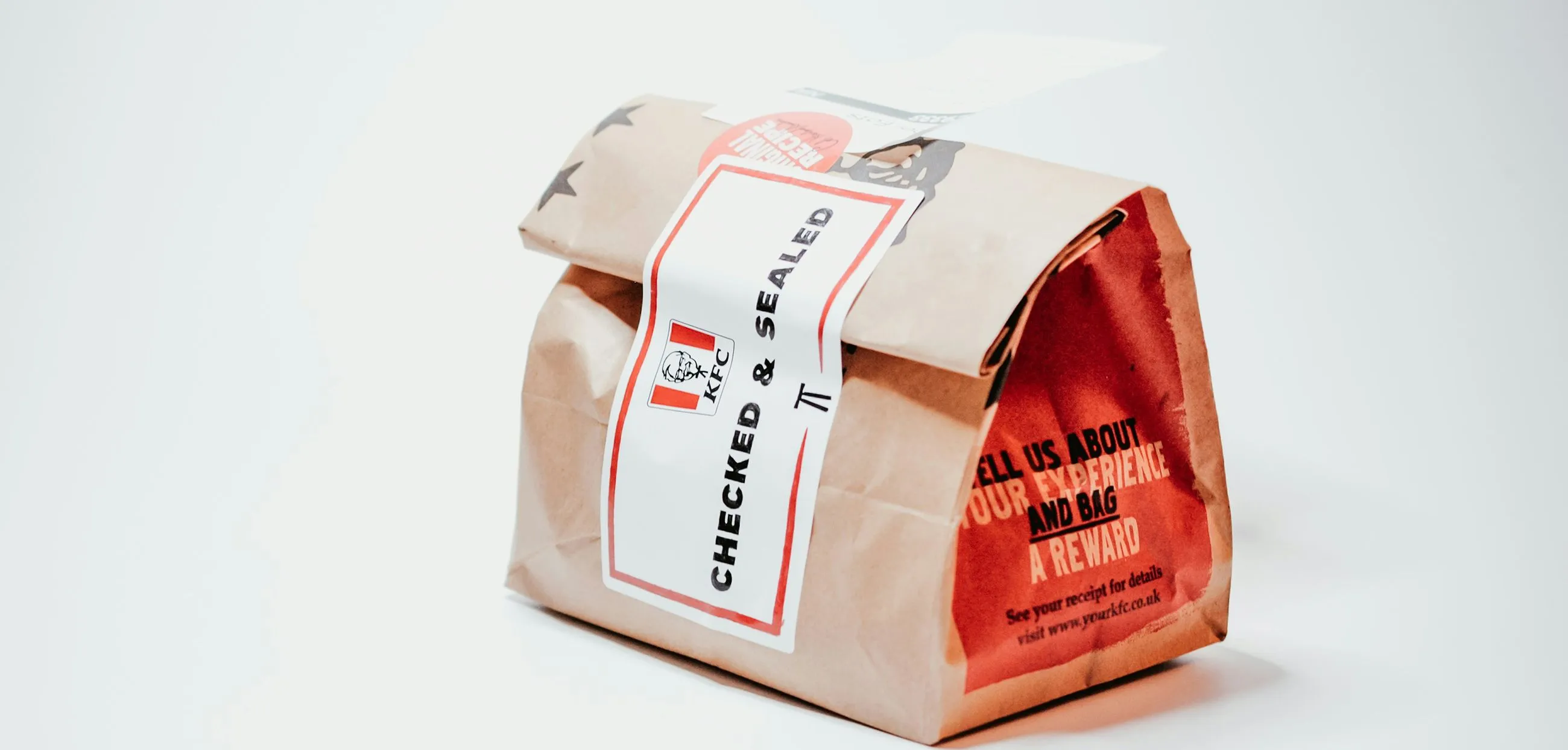
One of the clearest opportunities for agencies in 2026 is packaging identity as a launch-ready system. That means going beyond a logo reveal and shipping the visual assets needed to sell the idea immediately. For digital-first brands, packaging mockups, web hero visuals, social launch kits, and pitch-deck imagery are often just as important as the identity itself.
This is where tools like Blender, Adobe Dimension, Smartmockups, and Figma plugins create real leverage. They help teams visualize products before they exist, which is valuable for crowdfunding pages, pre-order campaigns, investor decks, and launch landing pages. Even if the business is software-first, a premium mockup can make the concept feel tangible. That tangibility helps conversion.
For agencies, the business model is clear: package identity as a system that includes brand strategy, design assets, motion, guidelines, and rollout support. For startups, the lesson is equally clear: a great brand is not decoration. It is a growth layer. It shortens sales cycles, supports pricing power, and gives the product a sharper market entry. In a crowded market, that edge compounds quickly.
Build for launch, but design for the next three pivots. That is what makes a brand resilient.