Why Brand Identity Is Now a Growth System
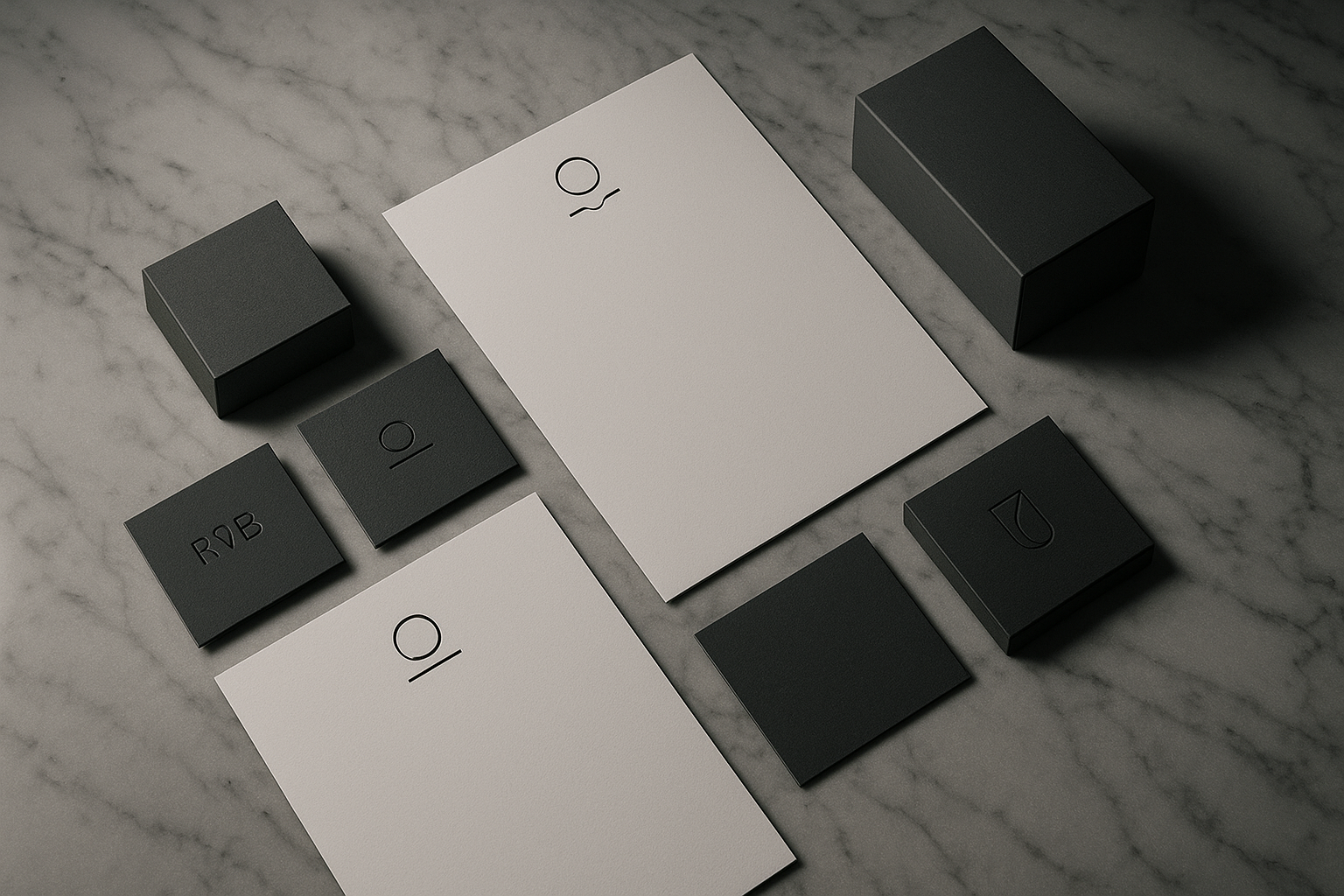
In 2026, brand identity is no longer a one‑time logo project. It’s an operational system that powers product, marketing, and sales. For tech founders and digital agencies, this shift means treating branding like software architecture: modular, versioned, and scalable. The best brand systems today are built to evolve as your product, audience, and GTM strategy change.
Leading agencies like Modern and DeSantis Breindel no longer separate “brand” from “demand.” They embed brand strategy directly into campaigns, messaging, and conversion flows. A 2025 industry survey found that 72% of B2B tech companies now report that brand strategy directly impacts pipeline and revenue. That’s the signal: treat brand identity as a growth engine, not a vanity project.
“In 2026, a brand is not something you design once. It’s something you iterate, version, and ship.”
Design Systems for Brand, Not Just UI
Tech brands are moving away from static logos toward modular, system‑first identity systems that adapt across channels, devices, and contexts. Agencies like Metabrand and Modern build unified brand + web systems for SaaS and fintech startups, integrating strategy, visuals, and component libraries into a single workflow. This reduces design debt, accelerates GTM, and ensures consistency across product, marketing, and sales.
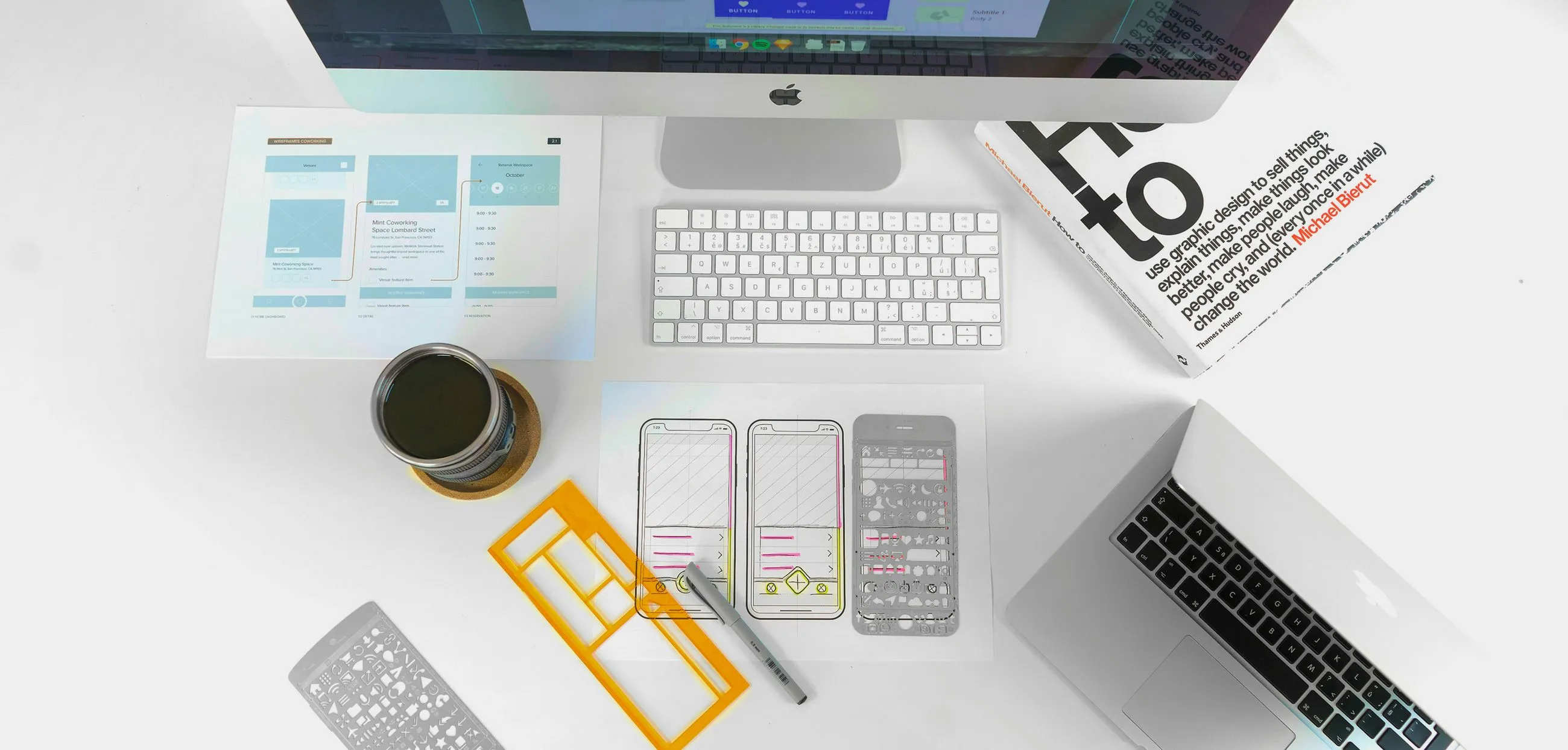
These systems typically include typography, color, iconography, motion, and UI components all governed by a shared design language. For example, a fintech startup might define a core color palette, icon set, and motion style that then appear in the web app, landing pages, and investor decks. Tools like Figma Design Systems, Zeroheight, and Storybook make it possible to version and document these rules like code. For founders, the takeaway is simple: your brand system should be as well‑specified as your tech stack.
AI‑Driven Identity: From Ideation to Iteration
AI is no longer a side tool in branding; it’s a core part of the identity workflow. Agencies now use AI‑assisted design tools to generate multiple logo variations, color systems, layout options, and even motion concepts, then curate and refine with human designers. A 2025 agency survey found that 68% of creative agencies now use AI tools for ideation or asset generation, up from 42% in 2023.
For example, Superside used AI tools to support the rebrand of Pixlmob, a real estate photography marketplace, accelerating ideation and iteration while maintaining a distinctive visual voice. The key insight is this: AI doesn’t replace human creativity; it amplifies it. For founders and agencies, the winning pattern is to use AI for rapid prototyping, testing, and scaling—then layer in human judgment, storytelling, and brand strategy. Tools like Adobe Firefly + Creative Cloud, Figma + AI plugins, and Brandmark.io / Looka are now standard in early‑stage brand development.
Experiential, Spatial, and Multi‑Sensory Branding
Brand identity is extending beyond flat screens into experiential and spatial environments, especially for tech and SaaS brands. Agencies like Field create immersive brand experiences that blend physical spaces, AR, and real‑time rendering. They use generative design, AI, and real‑time engines to turn abstract brand concepts into tangible experiences that people can walk through, touch, and feel.
For digital agencies and startups, this means thinking in 3D, spatial, and AR/VR contexts, not just 2D brand assets. A B2B SaaS company might design a spatial brand environment for a flagship event, or use AR overlays to illustrate how its product works in a real‑world setting. Tools like Unreal Engine, Unity, Spatial.io, and Figma plugins for AR prototyping make this more accessible than ever. The strategic advantage? Brands that feel alive in space and motion are harder to ignore—and easier to remember.
Human, Inclusive, and Ethical Identity Systems
In 2026, audiences don’t just judge brands by how they look—they judge them by how they behave. Leading agencies now embed authenticity, ethics, and inclusivity directly into visual and verbal identity, not as a tagline but as a design constraint. For example, Superside’s rebrand for Entelo, an AI‑powered talent acquisition platform, emphasized diversity, inclusion, and transparency through an inclusive color palette and imagery that reflects a wide range of talent and backgrounds.
Tech entrepreneurs must ensure their brand identity reflects the diversity of their users, not just their team. This includes illustration style, typography, iconography, and language. Agencies like IDEO and Modern use inclusive design toolkits to audit visual systems for accessibility and representation. For founders, the message is clear: your brand identity is not neutral. It either reinforces exclusion or builds belonging. Build systems that are human, transparent, and intentional—and your brand will feel alive, not just designed.