Why Static Branding Breaks in 2026
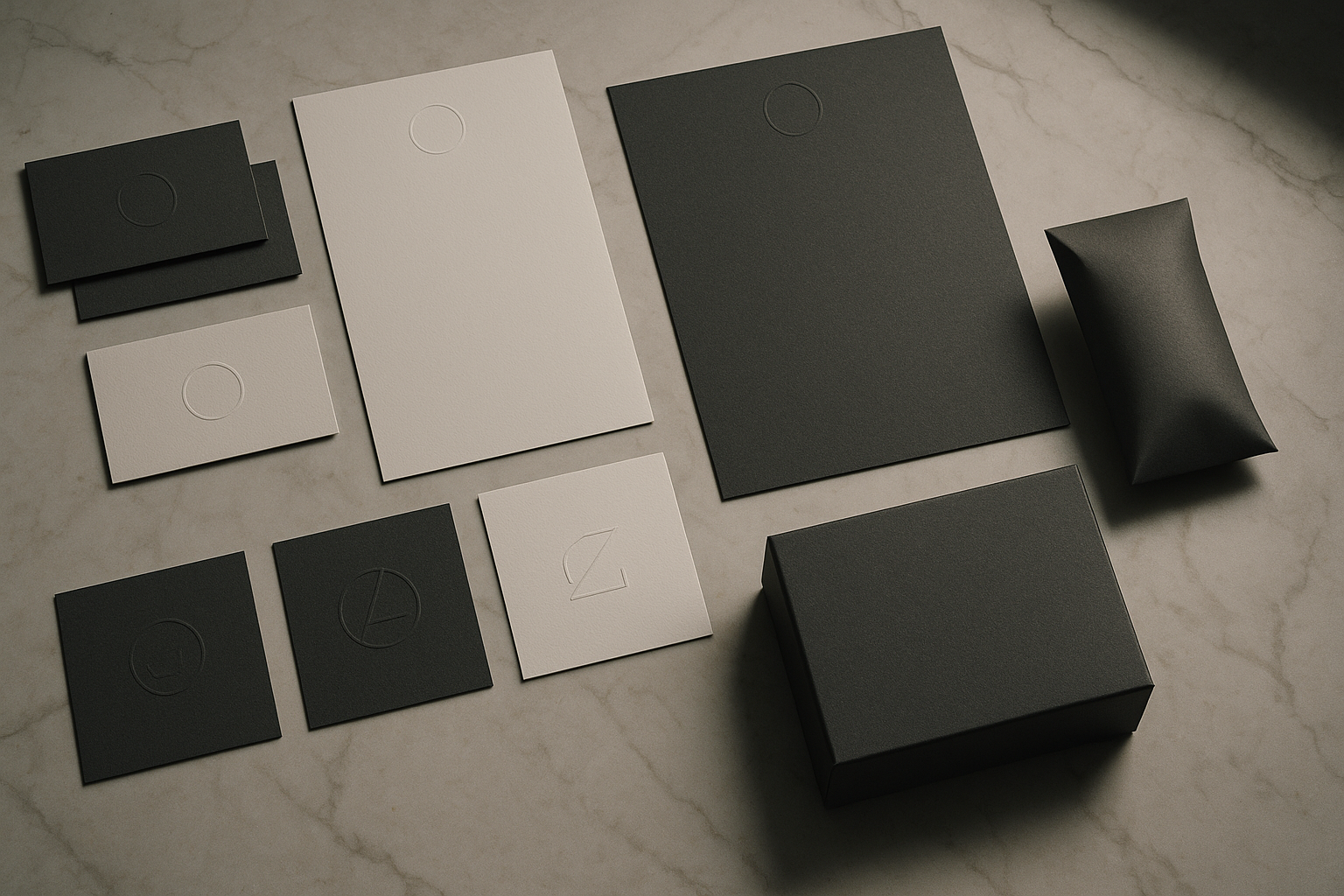
The old model of brand identity was built for a slower internet: one logo, one color palette, one style guide, and a handful of file exports for print and web. That approach no longer fits how modern companies ship. Today, a startup’s identity has to perform across landing pages, dashboards, app stores, creator content, paid ads, pitch decks, and AI-generated touchpoints. In practice, that means brand is now a system, not a static asset. The companies winning attention are not the ones with the most elaborate visual language, but the ones with the most flexible one.
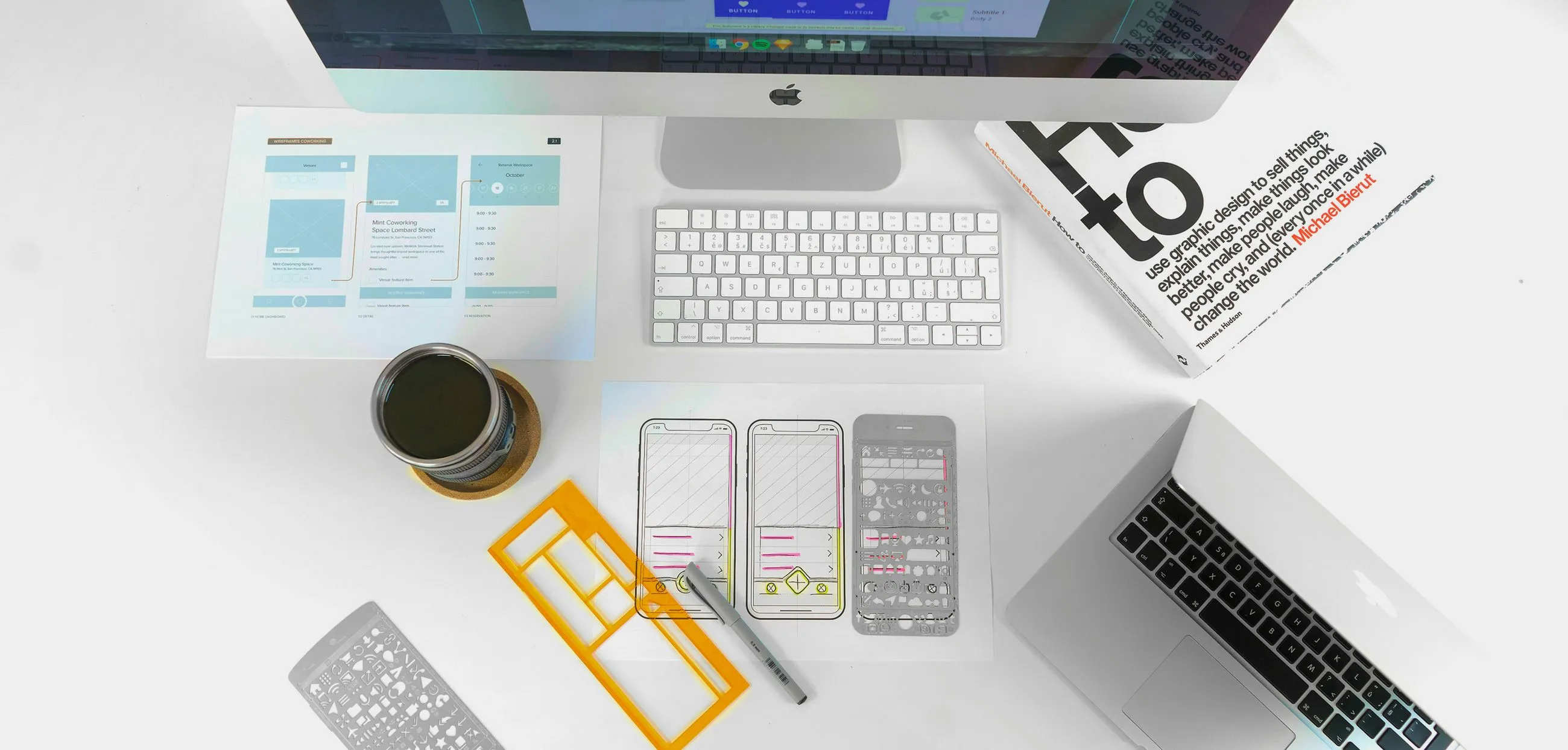
For founders and agencies, this shift is strategic. A rigid identity creates friction every time a team needs to launch a campaign, design a new product screen, or generate social content at speed. An adaptive system reduces rework and keeps the experience coherent no matter where it appears. Think of brand identity the way developers think about infrastructure: the goal is not a perfect screenshot, but a reliable framework that scales. Tools like Figma, Tokens Studio, and Framer make that possible by connecting design decisions directly to implementation.
In 2026, the strongest brands are built like product systems: modular, responsive, and ready to ship everywhere.
This is especially important for SaaS, AI, and fintech teams, where the same identity must feel credible in a demo, clean in a dashboard, and distinctive in a social clip. The best brand systems are designed to bend without breaking. They protect consistency while giving teams room to move fast.
AI Is the New Creative Co-Pilot
AI is changing branding, but not in the shallow sense of replacing designers. The real shift is that AI now supports creative direction. Agencies are using it to explore more ideas, test more visual territory, and move from concept to refinement faster. That creates a bigger strategic advantage: less time spent on low-value production, more time spent on positioning, narrative, and market fit. For teams building with Next.js, Vercel, or Cursor AI, the same logic applies—automation should accelerate judgment, not replace it.
In practical terms, AI can help generate moodboards, naming directions, brand voice options, packaging mockups, and early motion studies. Tools like Midjourney and Adobe Firefly can expand the visual range of an exploration phase, while ChatGPT and Claude can support naming systems, messaging frameworks, and copy variants. For motion experiments, Runway adds another layer of speed. The best teams use these tools to widen the funnel of ideas, then apply human taste to decide what actually belongs.
That distinction matters. AI-generated branding that looks generic will not build trust. But AI-assisted workflows, guided by a strong creative brief and clear constraints, can dramatically improve output quality. Agencies should establish guardrails: brand principles, accessibility standards, tone-of-voice rules, and review checkpoints. That is how AI becomes a co-pilot instead of a gimmick.
Trust, Ethics, and Accessibility Are Now Part of the Identity
Brand strategy in 2026 is more explicit than it used to be. Audiences expect brands to communicate what they stand for, how they operate, and how they use technology. That does not mean becoming overly verbose. It means making trust visible in the product experience itself. For AI products, subscription software, and digital services, the brand is often the first proof point of credibility. If the identity feels vague, overly synthetic, or hard to navigate, users notice immediately.
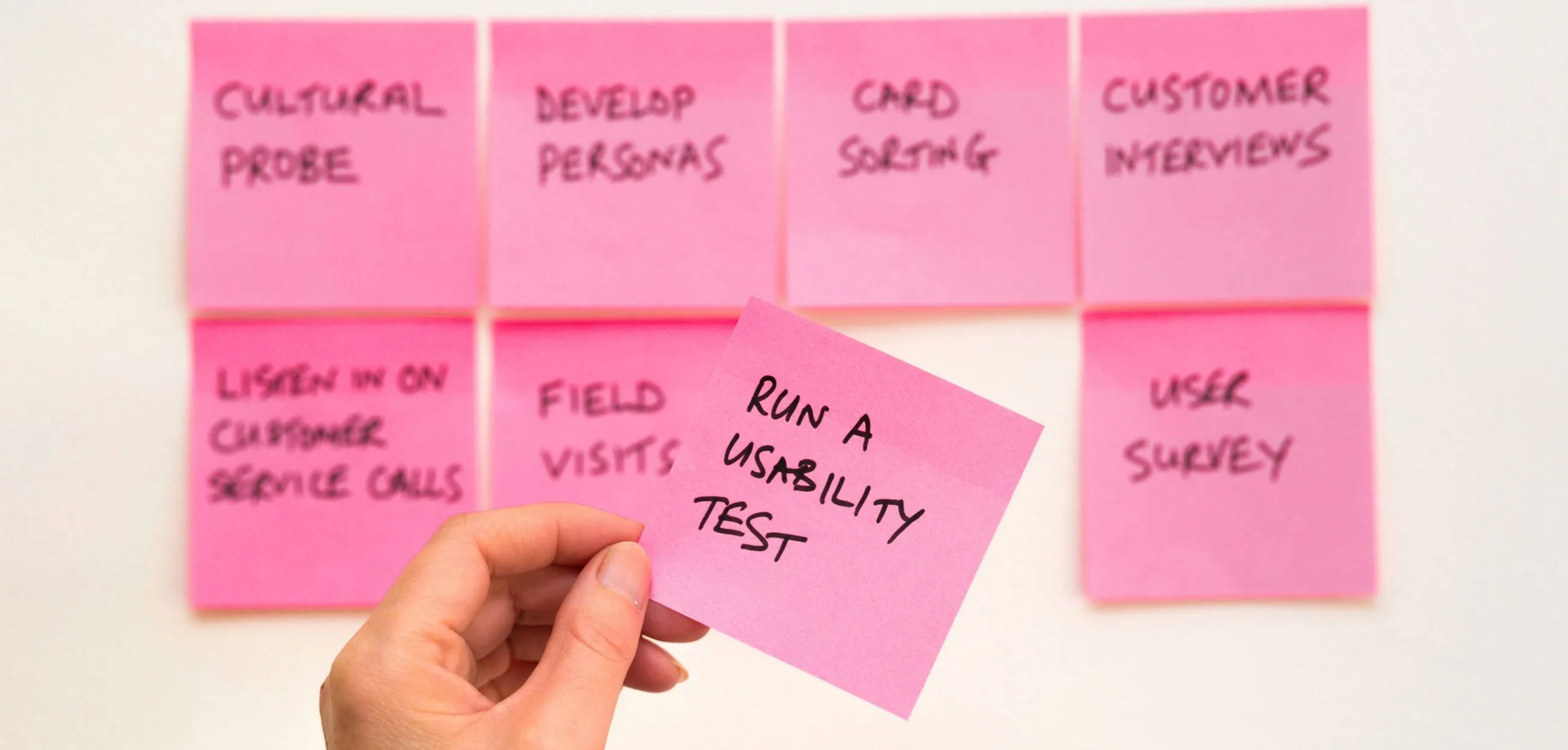
This is where design becomes operational. Inclusive color contrast, readable typography, clear product language, and accessible interface patterns all contribute to the feeling of reliability. Tools like Stark and WebAIM Contrast Checker should be part of the default workflow, not an afterthought. Brand perception testing through Typeform, Qualtrics, or Maze can also help teams validate whether a new identity actually improves clarity and confidence. For founders, this is not just about compliance or polish; it is about conversion.
A strong identity now communicates three things at once: who you are, how seriously you take the user, and whether your product is safe to trust. In a market saturated with polished but forgettable brands, clarity wins. The most effective visual systems are the ones that reduce uncertainty.
Motion-First Design Is the New Default
Brand identity no longer lives only in static layouts. It is increasingly experienced through motion, transitions, micro-interactions, and short-form content. That means motion is not decoration; it is part of the system. A logo should be able to animate. A web hero should carry narrative energy. A product interface should respond with timing and rhythm that feel intentional. In this environment, the brand book needs to evolve into a living toolkit for motion-first delivery.
For agencies, the practical response is to define a motion style guide early. Document how type enters, how elements transition, how icons behave, and how social templates should move. Tools like Rive, LottieFiles, and After Effects make it possible to build lightweight, reusable motion assets for product and marketing teams. If your brand is distributed across creators, paid media, and internal teams, a Canva Brand Kit or Framer component library can keep execution aligned without slowing production.
This matters because your audience increasingly meets your brand through TikTok clips, Reels, YouTube Shorts, and interactive landing pages. A motion-first identity creates memorability where static design can disappear. It also helps startups look more established without becoming overdesigned. The goal is not more motion for its own sake. The goal is motion with intent: to guide attention, communicate confidence, and make the brand feel alive.
How Agencies Can Productize Brand Identity in 2026
The most commercially effective agencies are turning brand identity into a productized service. That is a smart shift because founders do not always need a sprawling brand manual; they need a usable system that supports launch velocity. A 2-week brand sprint, an MVP identity kit, or a brand-to-web package can solve a real problem faster than a traditional long-form engagement. When positioned well, these offers align with startup timelines, fundraising cycles, and launch milestones.
A strong package should include a responsive logo set, type and color systems, motion rules, social templates, a basic accessibility check, and web-ready components that can move directly into Next.js, Framer, or Vercel. For teams building product-led businesses, connecting brand work to the actual shipping stack creates immediate value. If a client uses Supabase for the backend, n8n for workflows, or Stripe for payments, the identity should support the full product journey—not just the homepage.
The agencies that win in 2026 will think less like decorators and more like system designers. They will ship brand kits that are fast to deploy, easy to extend, and built for real business outcomes. That is the opportunity: create identities that help companies launch with clarity, scale with confidence, and keep building long after the first version goes live.