Product mockups are now part of the go-to-market stack
For years, mockups were treated like the final coat of paint: useful, but secondary. That mindset is outdated. In a market shaped by short attention spans, remote buying decisions, and rapid iteration, product presentation is part of the product. A strong mockup can make a landing page clearer, a pitch deck stronger, and a launch more credible before a single line of backend logic is fully complete.
That shift matters for founders, agencies, and developers building with tools like Next.js, Vercel, Supabase, and Cursor AI. When teams move fast, they need assets that communicate value at the same speed as the codebase. A polished device frame, a contextual product scene, or a branded packaging mockup can explain a concept in seconds. For startups shipping MVPs, it can bridge the gap between prototype and trust. For agencies, it can turn a static proposal into a convincing story. The new rule is simple: if the product is worth building, it is worth presenting well.
Mockups are no longer decorative assets. They are decision-making tools that help buyers, investors, and teams understand value faster.
AI has compressed the mockup workflow from days to minutes
The biggest change in this category is speed. AI-powered mockup generators can now detect surfaces, place branding, and generate presentation-ready visuals in a fraction of the time traditional design tools required. What used to involve Photoshop layers, manual perspective adjustments, and repeated revisions can now happen through a guided workflow with consistent output. That is not just convenient—it changes how teams operate. Instead of waiting for a design sprint to finish, marketers can test hero images, founders can refresh investor materials, and product teams can align on visuals before a launch window closes.
The practical advantage is not only production speed, but iteration speed. With tools such as Canva Mockups, Dynamic Mockups, Figma Community assets, or AI-assisted image workflows, teams can generate multiple variations for ads, app store screenshots, and homepage sections. This is especially powerful when paired with modern growth infrastructure: a Next.js landing page deployed on Vercel, analytics connected through PostHog, automated lead routing in n8n, and checkout flows powered by Stripe. Once mockups become easy to produce, they also become easy to test. That creates a loop where visual presentation is continuously improved by real data.
Device mockups still drive the highest-value SaaS and app assets
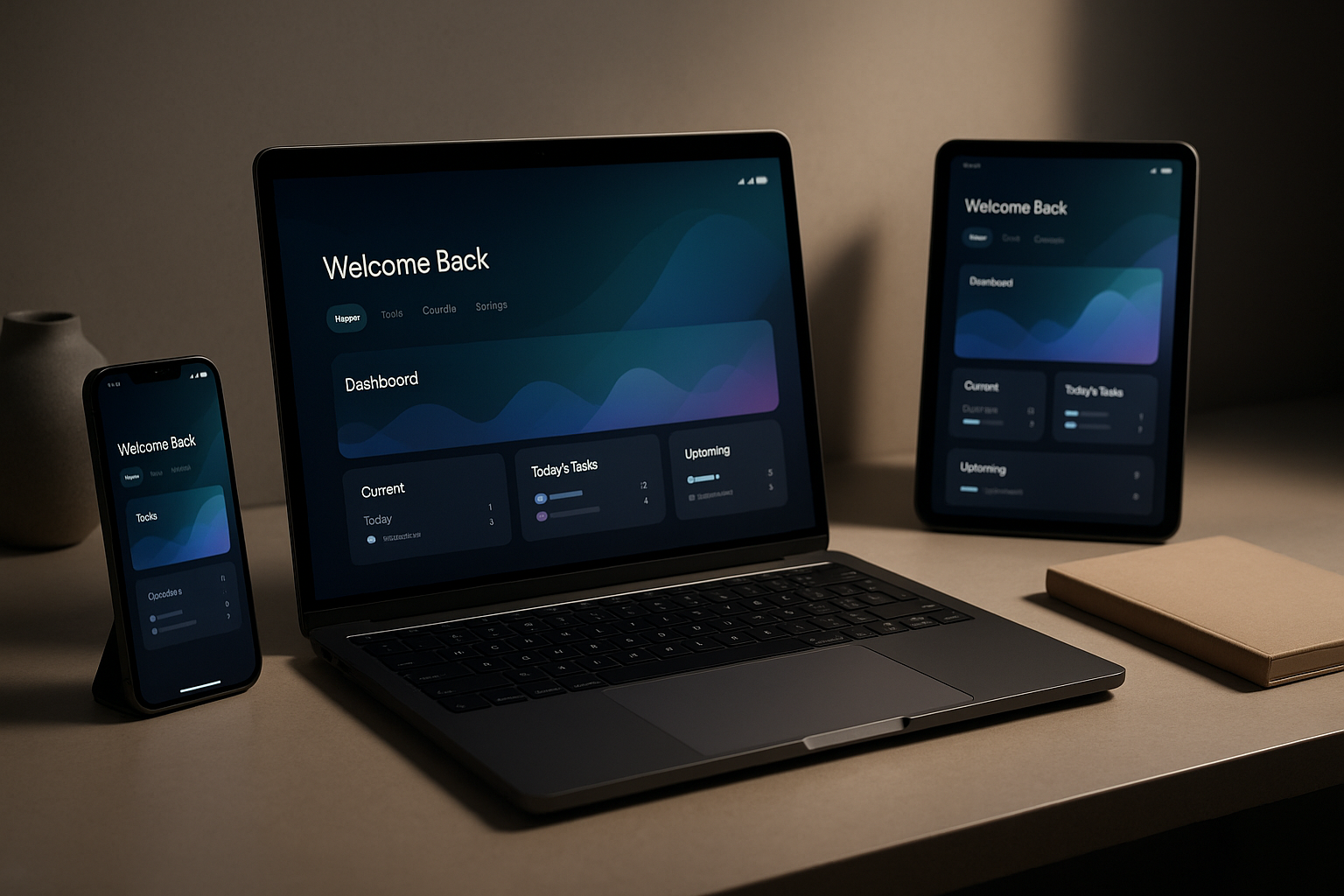
If you are building software, device mockups remain one of the highest-leverage visual assets you can create. Phone, tablet, laptop, and desktop frames make interfaces feel real before users interact with them. They are essential for app store screenshots, SaaS homepage heroes, feature walkthroughs, onboarding flows, and pitch slides. When used correctly, they do more than show a UI—they place the interface inside a believable context that reduces ambiguity and increases confidence.
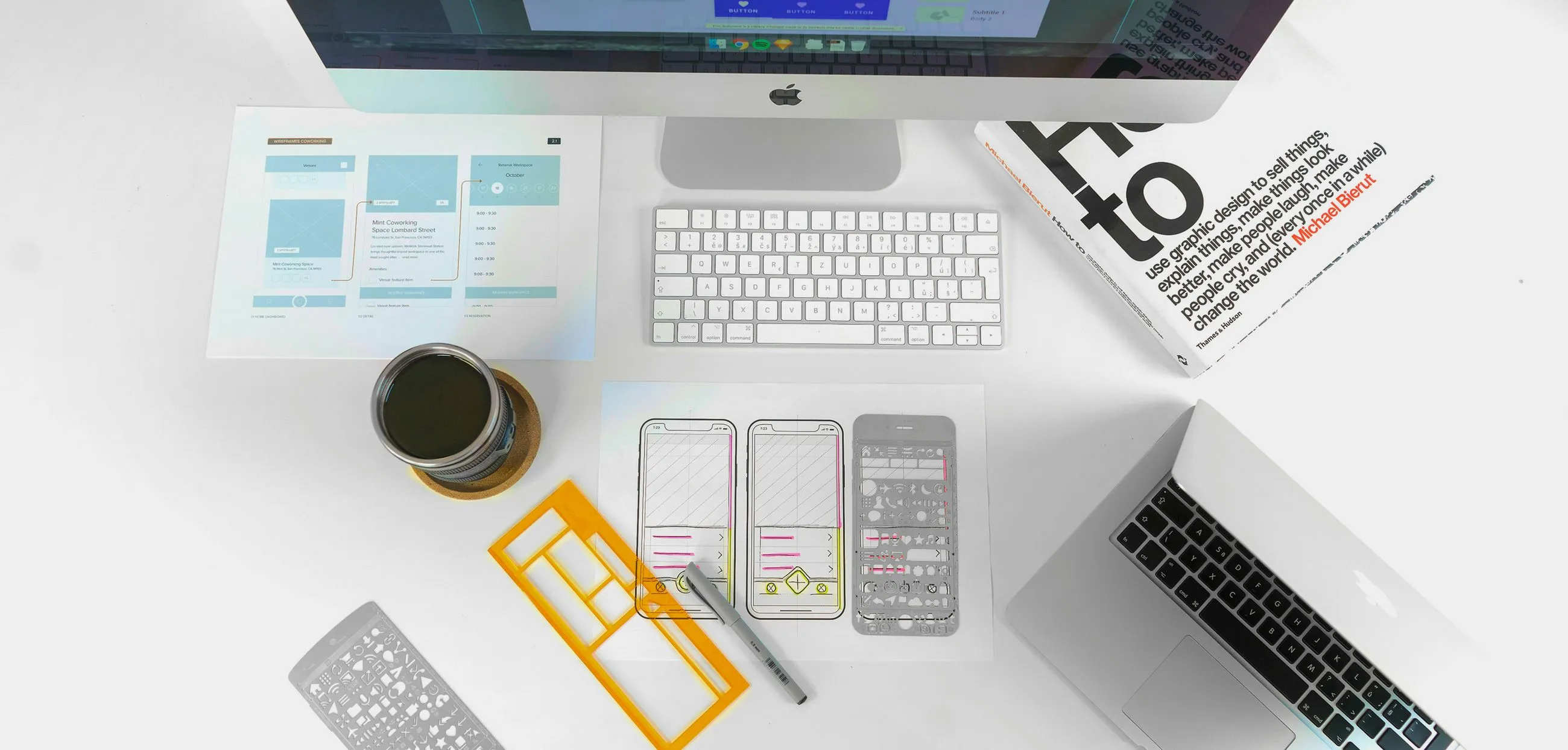
The best teams do not use device mockups as isolated design elements. They integrate them into a broader conversion system. A homepage section might show the product across a laptop and mobile device. A sales deck might use the same UI in a different context to reinforce consistency. A product launch page might combine the mockup with testimonial snippets, pricing, or a CTA. This kind of reuse is efficient and strategic. It helps smaller teams look larger, and faster-moving teams look more disciplined. In practice, that means building a reusable asset library in Figma, leveraging premium template packs from Envato Elements or Tuts+, and maintaining a visual system that can be updated as the product evolves.
Brand identity mockups should feel like a system, not a collage
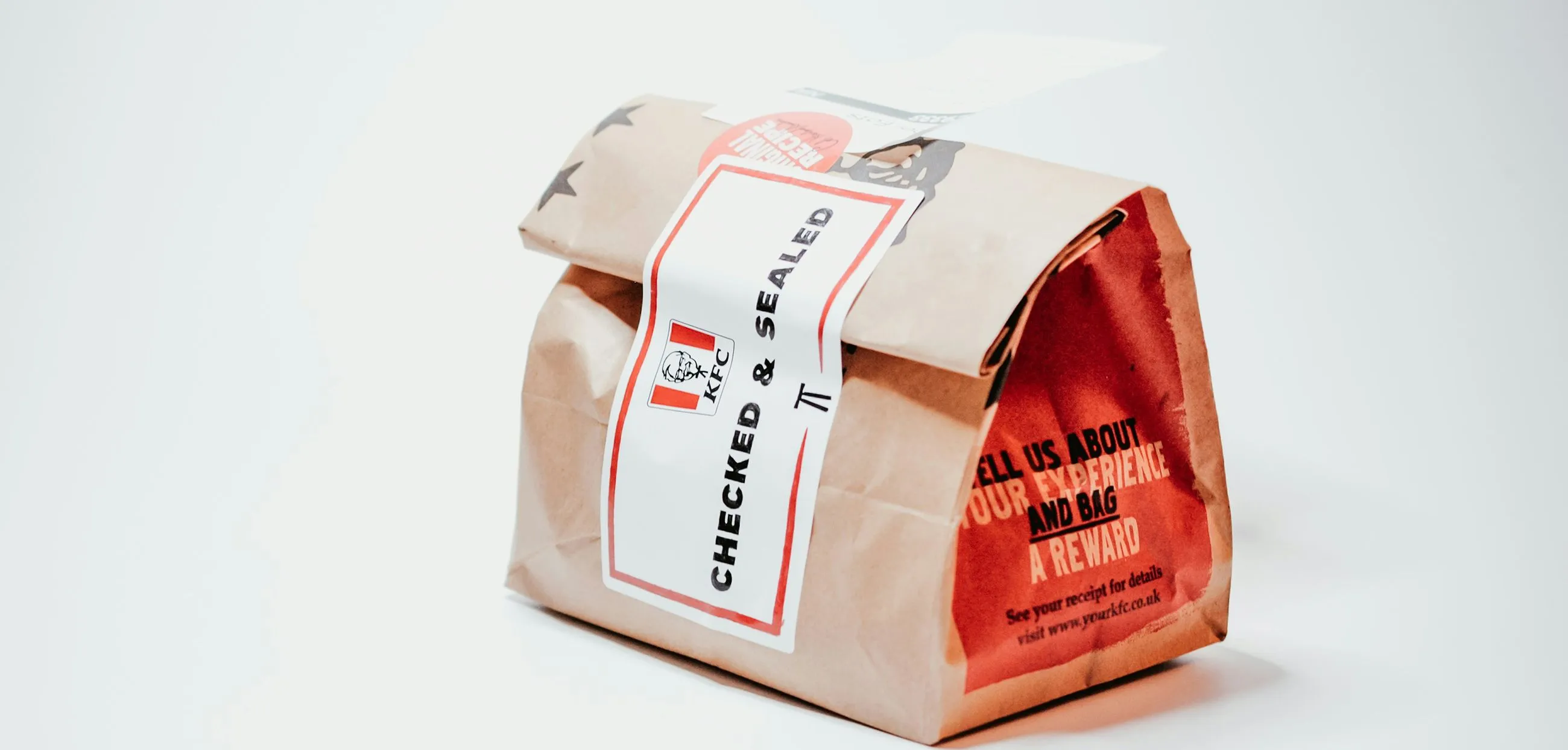
The strongest brand presentation today is not a random set of beautiful visuals. It is a system. Logos, typography, color palettes, packaging, merch, signage, and digital surfaces should all feel like they belong to the same company. This matters because buyers and partners often judge maturity through consistency. If a startup’s deck, website, social assets, and packaging all speak the same language, the brand feels more complete—even if the team is still small. That perception can influence sales, partnerships, and investor confidence.
For agencies, this opens a clear service opportunity: build modular brand presentation kits that combine digital and physical touchpoints. A good kit might include social banners, website headers, app screens, packaging, stationery, and a few lifestyle scenes. The goal is to create repeatable visual credibility. This is especially useful for DTC brands, AI products, and premium service businesses that need to look established early. In practice, you can connect these assets to a launch workflow: generate the mockups, store them in a shared library, publish the page on Vercel, and sync campaign assets through a CMS or automation stack. The result is a brand system that scales with the business instead of lagging behind it.
Winning teams treat presentation as a measurable growth lever
The most important mindset shift is this: presentation is not separate from performance. Strong mockups improve clarity, and clarity improves conversion. That can show up in higher click-through rates on ads, better engagement on landing pages, smoother client approvals, or more convincing fundraising materials. When a product is abstract—like AI software, a developer tool, or a new fintech workflow—contextual visuals help people understand it faster. And when people understand faster, they act faster.
For entrepreneurs and builders, the opportunity is to turn mockups into a repeatable operating system. Start with one canonical product scene. Adapt it for homepage heroes, sales decks, social posts, and app store assets. Use AI tools to generate variations, then measure which visuals support the best outcomes. If your stack includes Next.js, Supabase, Stripe, and n8n, the presentation layer should move with the same precision as your product layer. That is the NovaPulse mindset: build a system where design, marketing, and software reinforce each other. In a market where speed matters, the teams that win are not just shipping faster—they are presenting better, learning faster, and building what others only plan.