The Design Handoff Problem Is Solved
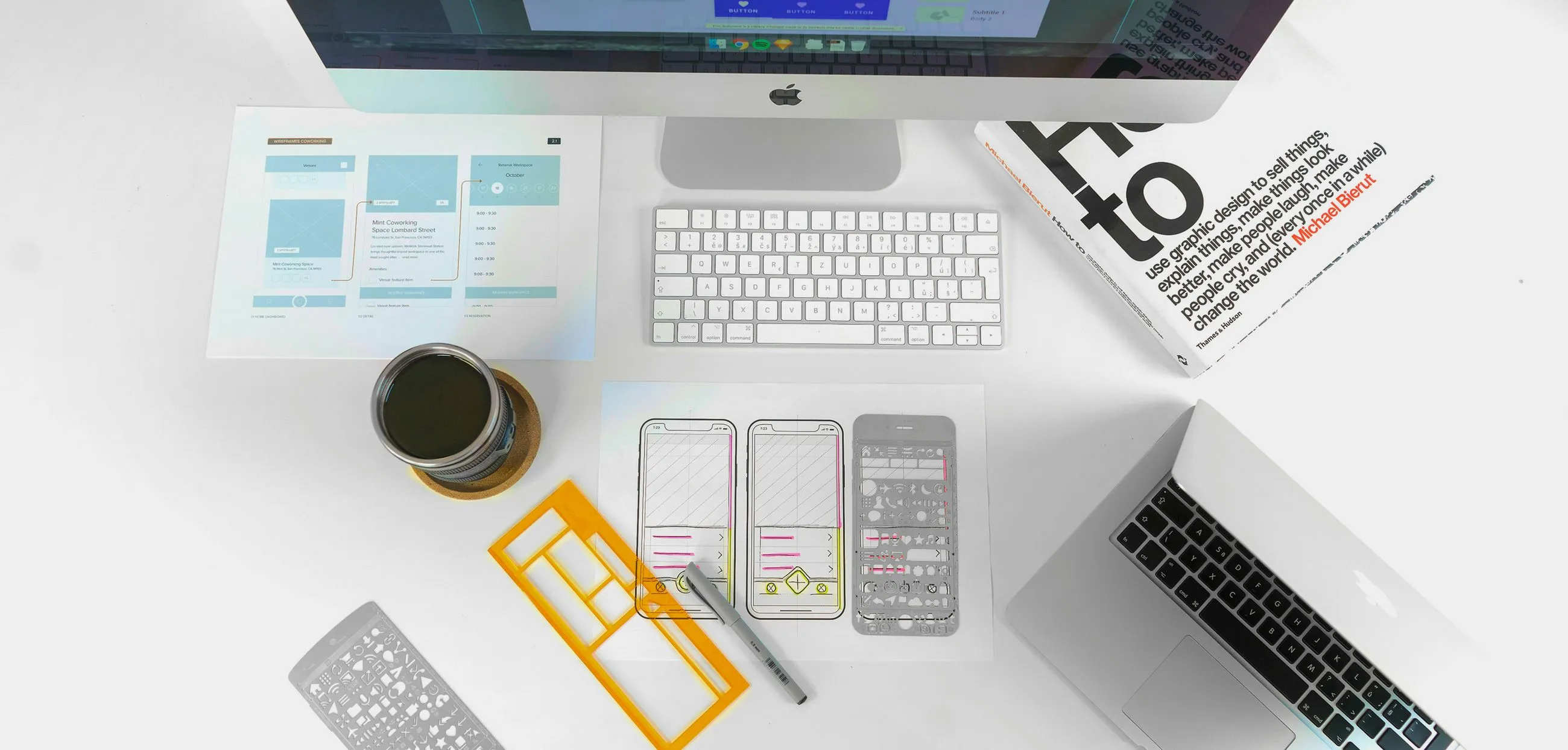
For years, the journey from Figma mockup to live website has been a friction point. Designers hand off files. Developers interpret them. Stakeholders request revisions. Weeks pass. But Figma Sites, launched in 2025, fundamentally changes this equation. By enabling direct conversion of Figma designs into functional, responsive websites, the platform collapses what used to be a multi-stage process into a single, unified workflow. No more exporting assets. No more developer guesswork. No more lost fidelity between design intent and shipped product.
For digital agencies managing dozens of client projects simultaneously, this shift is transformative. Mockups that once required two weeks of development iteration now go live in 48 hours. For tech entrepreneurs bootstrapping their first SaaS landing page, the implications are even more dramatic—you can prototype, validate, and launch without hiring a developer. Industry benchmarks show teams using Figma Sites cut development time by up to 90%, turning what was a bottleneck into a competitive advantage.
"Design and development are two different disciplines. But they no longer need to be separate processes." — The future of web creation isn't about blurring roles; it's about eliminating unnecessary handoffs.
10,000+ Templates: The Figma Community Accelerant
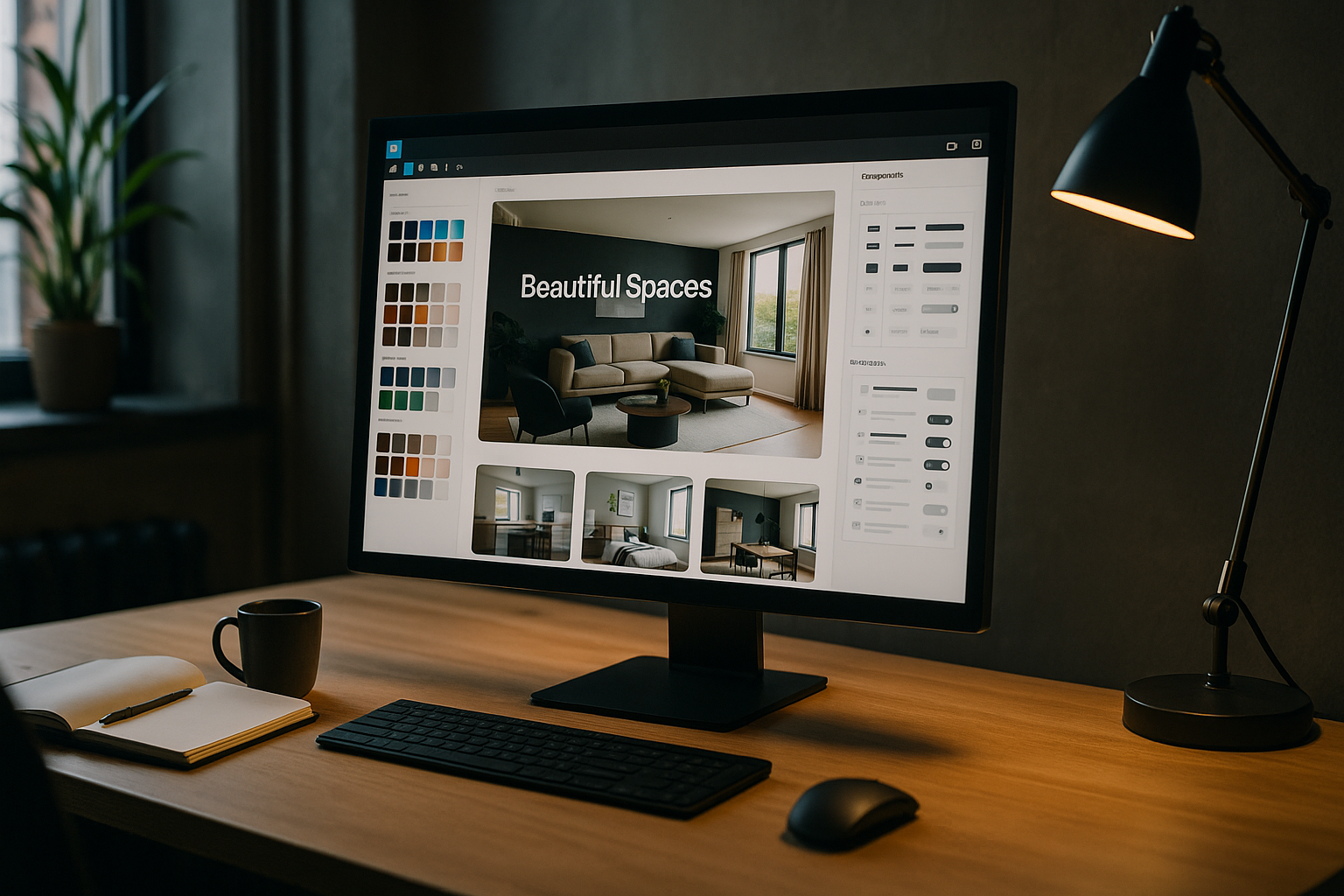
The Figma Community now hosts over 10,000 free and paid website templates spanning every category: SaaS dashboards, e-commerce stores, portfolio sites, landing pages, and full multi-page architectures. This isn't just inventory—it's a library of proven design patterns, accessibility best practices, and responsive frameworks built by thousands of designers and agencies worldwide. For entrepreneurs, these templates represent months of design work compressed into a starting point.
The best templates in 2026 go beyond static layouts. They include modular components with built-in icon libraries, accessibility plugins, and pre-configured design systems. Agencies leverage these for rapid brand identity projects, customizing color palettes, typography, and content via drag-and-drop while maintaining pixel-perfect consistency. The result: what used to require a dedicated design sprint now happens in a single afternoon. Real-world data shows conversion lifts of 15–20% when teams use Figma Community's landing page templates paired with A/B testing and accessibility previews—no custom development required.
The economics are compelling. A SaaS founder can launch a professional landing page for free. An agency can spin up client prototypes 3x faster. Both maintain design quality without sacrificing speed. This is how you "build what others plan."
Design Tokens: The Secret to Scalable, Responsive Systems
Behind every modern design system lies a powerful abstraction: design tokens. These are variables—not colors, but the concept of "primary blue" or "heading font size"—that propagate across every responsive breakpoint and theme variant. Figma's native token support, combined with plugins like Token Studio, enables teams to define a design system once and deploy it everywhere: web, mobile, dark mode, light mode, and beyond.
Here's where this gets practical. A developer working in Next.js or Vue can import token exports as CSS variables or Tailwind configuration, then build responsive components that automatically adapt to the design system. When the brand team decides to shift from blue to purple, they update one token in Figma. Every component on every breakpoint updates instantly. Real-world example: Awwwards showcases Figma-built sites using token-driven systems for consistent theming across blockchain dashboards and AI SaaS tools, enabling dev teams to deploy responsive UIs 40% faster than traditional CSS-based approaches.
"Tokens aren't just design metadata. They're the bridge between design intent and production code." — When your design system speaks the same language as your codebase, iteration becomes frictionless.
2026 Trends: Immersive, AI-Assisted Prototyping at Scale
The web design landscape in 2026 emphasizes motion, interactivity, and intelligent automation. Figma's latest prototyping tools support scroll-triggered animations, dark/light mode toggles, and complex interactions that previously required WebGL or custom JavaScript. AI in Figma Make generates interactive prototypes from natural language prompts, integrating seamlessly with FigJam for user journey mapping and stakeholder alignment. Agencies apply this in landing page templates—oversized typography, layered shapes, hero sections with strategic CTAs—boosting engagement metrics by 25–30% in A/B tests.
The trend isn't toward complexity for its own sake. It's toward intentionality. High-converting landing pages in 2026 combine minimal aesthetics with micro-interactions that guide users toward action. Figma's template library now includes 1,000+ options optimized for this balance, pre-built with responsive grids, illustration packs, and conversion-focused layouts. Tech startups use these to prototype SaaS funnels in hours. Conversion data shows that templates paired with Figma's accessibility previews—ensuring WCAG compliance without dev overhead—consistently outperform custom designs.
From Template to Production: The Practical Path Forward
The opportunity for NovaPulse clients is immediate and concrete. Start here: visit Figma's community template library and identify a baseline that matches your product category—SaaS, e-commerce, portfolio, or landing page. Customize it using Figma's design tokens to reflect your brand system. Use Figma Sites to preview responsiveness across devices. Export tokens to your development stack (Next.js, Tailwind, or your framework of choice). Hand off to your engineering team with pixel-perfect fidelity and a scalable design system already in place.
The result: what used to take 6–8 weeks now takes 3–5 days. Your design system is documented and maintainable. Your team speaks a common language. Your launch velocity increases by an order of magnitude. This isn't speculative—it's the reality for hundreds of agencies and thousands of founders already building this way. The question isn't whether to adopt this workflow. It's how quickly you can implement it and begin shipping at the speed of thought.
"Build what others plan." — In 2026, that means using proven templates, design tokens, and unified workflows to compress months into days. Start today at figma.com/community/website-templates.