Navigating the Agentic Shift
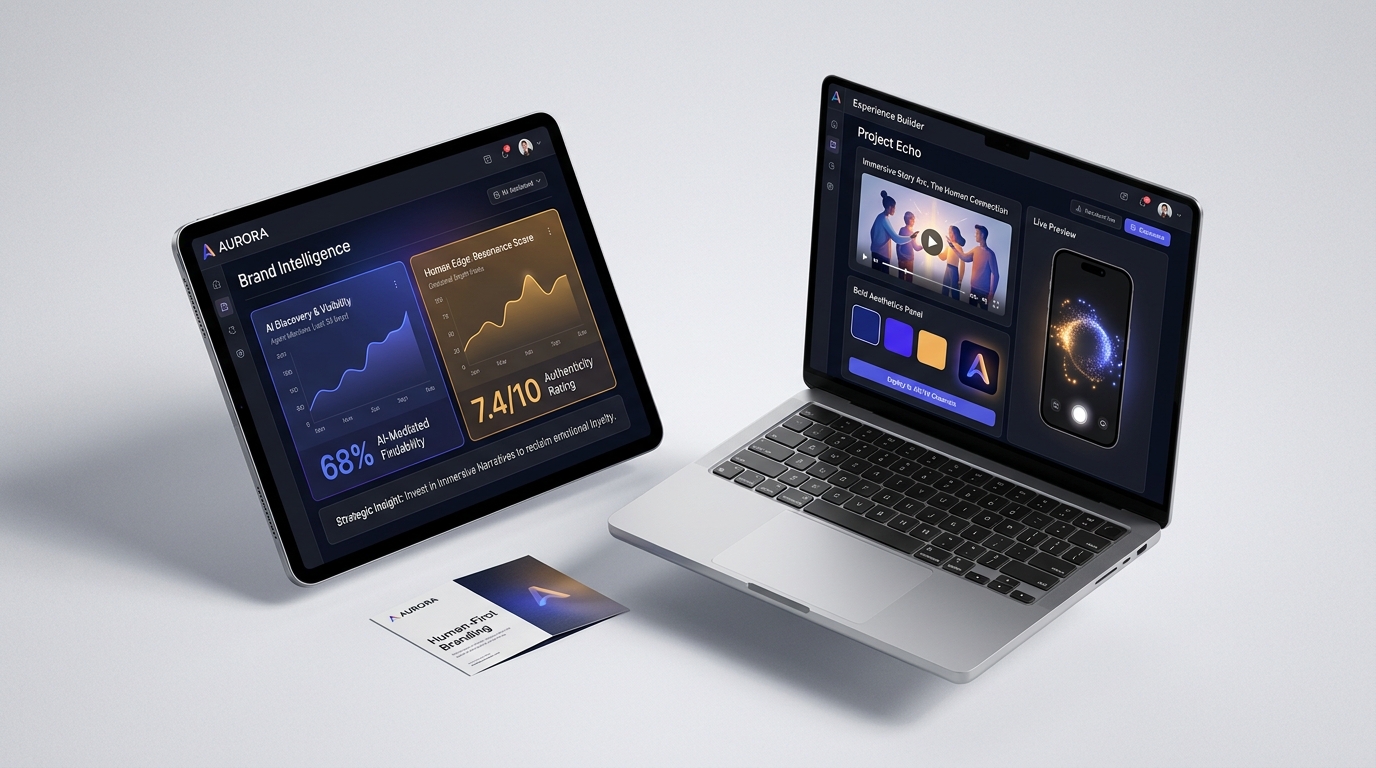
In an era where AI agents autonomously curate recommendations, traditional branding pathways are fracturing. No longer do consumers rely solely on search rankings or influencer whispers; instead, machine intermediaries evaluate options based on data signals, logic, and encoded trust metrics. This pivot demands brands evolve from passive visibility to proactive machinereadability while anchoring in irreplaceable human elements.
Consider the marketplace transformation: AI agents like those from Capital One's Auto Navigator not only answer queries but orchestrate entire journeys—from inventory checks to financing estimates—mediating human-brand interactions at scale. Brands unprepared for this risk invisibility, as agents prioritize utility over aspiration. Yet, amid this logic-driven filtering, emotional resonance emerges as the differentiator. Sensory experiences, from branded cafés to live events, foster 'felt' connections that algorithms can't replicate, building credibility that influences even autonomous decisions.
Brands must evaluate which aspects of traditional customer relationships to preserve and which to evolve.
This duality—machine optimization paired with human authenticity—defines 2026 branding. Static annual planning yields to real-time frameworks, where AI monitors sentiment and iterates assets weekly. Hyper-personalization becomes baseline, yet success hinges on fostering genuine narratives amid performative fatigue.
Designing for Depth and Immersion
Visual and experiential languages are surging toward immersion, countering AI's flattening effect. Interactive 3D models, AR previews, and scroll-triggered animations infuse depth, mirroring Nike's virtual try-ons or IKEA's spatial tours that guide purchase confidence. These aren't gimmicks; they're strategic bridges to decision-making in agent-mediated flows.
Color systems echo this vibrancy: bold gradients, duotones, and mood-responsive palettes draw from Y2K nostalgia and 'dopamine design,' signaling energy and inclusivity. Lush's neon highs and Headspace's playful hues evoke lifestyles, not just products, appealing to emotional mapping that AI insights now granularly predict. Meanwhile, kinetic typography—oversized, layered fonts in motion—delivers instant recognition, as seen in Glossier's hero sections and Samsung's UIs, turning competitive noise into narrative clarity.
- 3D and Spatial Tools: Enhance evaluation, vital when agents pre-filter options.
- Adaptive Colors: Convey mood, fostering the atmospheres AI can't fabricate.
- Motion Typography: Guides attention purposefully, embodying brand personality.
Micro-interactions elevate this further: cinematic transitions and disciplined animations, like Hamilton's goodbye campaign, direct users while delighting, forming a 'branding language' that persists beyond screens. In B2B realms, agentic AI autonomously optimizes campaigns, reallocates budgets, and personalizes at individual levels—yet these tools amplify, not replace, such human-crafted finesse.
Embracing Imperfection and Maximalist Humanity
Fatigue with sterile minimalism fuels a maximalist revival: 'imperfect by design' aesthetics blend retro-brutalist textures, notes-app chic, and dense compositions. Spotify's layered playlists and Liquid Death's provocative visuals exemplify this, layering nostalgia with raw humanity to engage deeply. It's a rebellion against AI's polished efficiency, prioritizing relatability in an autonomous world.
Personal branding mirrors this authenticity shift: creators own narratives through real relationships, ditching demographics for mood-driven 'felt experiences.' Businesses must cultivate in-person atmospheres over data segments, as AI surfaces behavioral cues but can't instill loyalty born of shared moments. Ethical AI deployment builds trust, a competitive edge when agents weigh reputation signals.
This maximalism extends to strategy: dynamic guidelines ensure voice consistency across channels, while predictive insights spot trends pre-competitors. Yet, brands encoding machine-readable data—structured APIs, real-time feeds—without diluting sensory appeal will thrive. Data, product, and creative teams must align for a unified view that agents encounter.
Machines don’t shop like we do—they analyze logic and signals, not memories or aspirations.
The tension is poetic: AI accelerates adaptability, but humanity reclaims the soul. Agentic systems handle complexity at global scales, slashing content cycles by 60% while refining strategies—yet they underscore the need for brands to evoke what data alone misses.
Toward Resilient Brand Ecosystems
As agentic AI matures—projected to end channel-based marketing by 2028—brands face a triadic challenge: deploy compelling agents, persuade use of proprietary ones, and optimize for consumer agents. Success demands agility: real-time sentiment tracking, autonomous A/B iterations, and content intelligence that anticipates intent.
Yet, the insight lies in balance. Vibrant, imperfect designs and immersive experiences don't just counter AI; they complement it, creating ecosystems where logic meets emotion. Personalization at scale becomes truly one-to-one, predictive marketing proactive. Brands leading this synthesis—prioritizing trust, authenticity, and sensory depth—won't just survive mediation; they'll shape it.
Imperfection, motion, and maximalism signal a broader ethos: branding as living dialogue. In 2026, the smartest voices whisper that true resonance defies automation, thriving where humans feel most alive.